
How to Remove DHT from Scalp
Possessing high levels of DHT (Dihydrotestosterone) is incredibly common in Australia, affecting up to 50% of men by the age of 50 and a significant number of women, particularly post menopause. Whether you have started to experience increased hair loss when washing your hair, or whether your hairline has started to quietly creep back, there is a high likelihood that DHT is a part of the picture. And this can be particularly concerning, especially when you do not know how to treat it effectively.
DHT is one of the main drivers behind androgenetic alopecia, more commonly known as male and female pattern hair loss. The hormone affects the follicles over time, causing them to shrink and produce finer, weaker hairs until hair growth completely slows down. There are many hair loss treatments that are proven to be highly effective for individuals suffering from DHT, and patients who seek early intervention typically experience more successful results as opposed to patients waiting it out and hoping that it will change.
One of the main questions that patients tend to ask is whether DHT can actually be removed from the scalp? And the answer is yes, but not in the way you think.
DHT is a hormone, meaning that it is internal. This means that you cannot wash it off your scalp as you would with any other product build up or oil. It is a lengthy process where the end goal is to reduce its effects on the follicle by using a mix of scalp care that is both evidence-based and healthy for your scalp. At Follicle, we ensure that all of our patients are aligned with a treatment plan that provides both real expectations and real results. Our team of trusted doctors and clinicians will devise a plan that is tailor made to suit your hair loss needs and communicate consistently throughout the entirety of the journey.
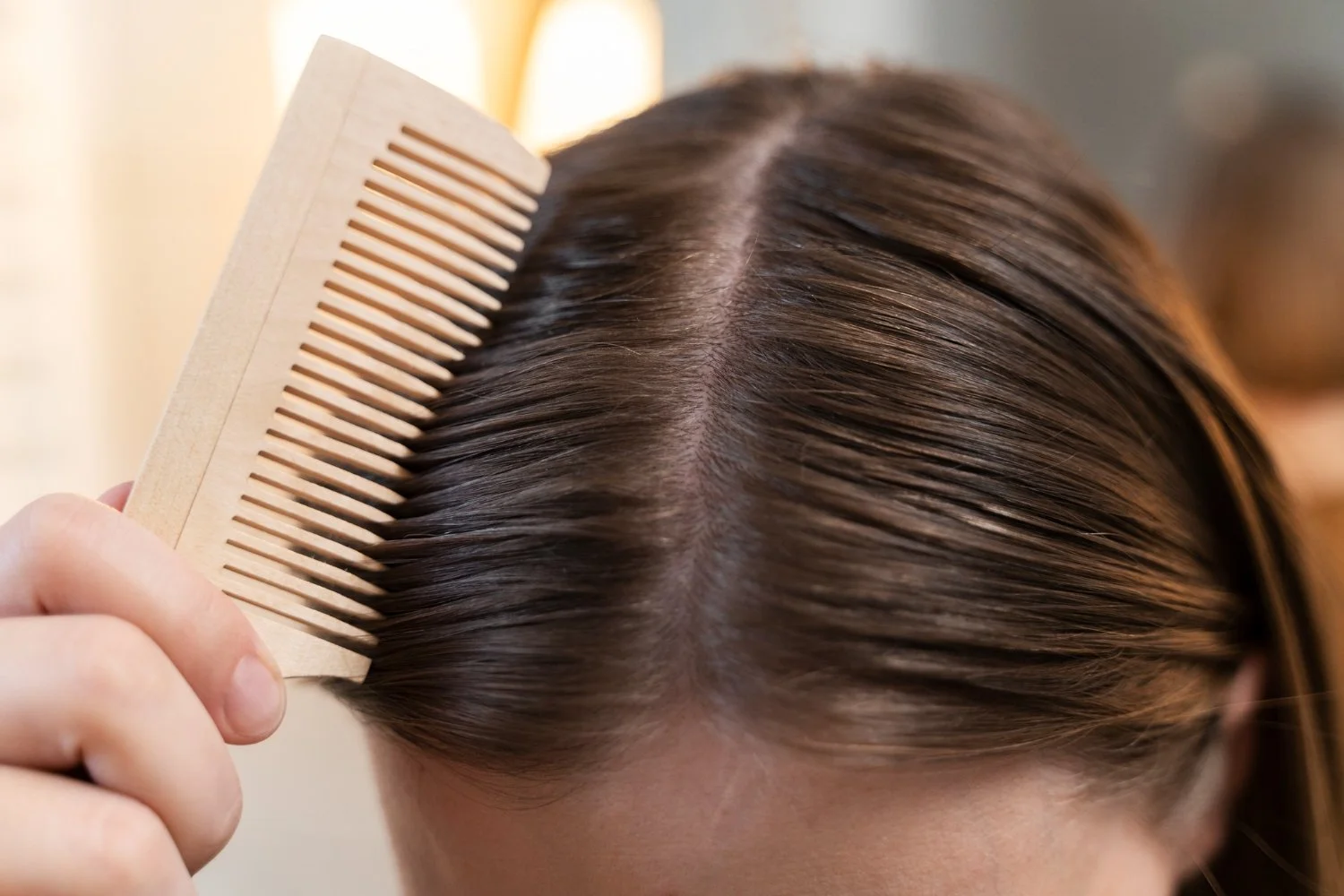
How to Block DHT and How to Stop it from Affecting your Hair
If you are currently researching how to block DHT, how to stop DHT, how to reduce DHT or how to remove DHT from the scalp, you may have come across a wide range of different answers. However, this is the most accurate - if you want to effectively reduce DHT activity at the follicle, you cannot solely rely on just “cleaning the scalp”.
There are many other options available, including the ones below, that can help slow the onset effects of DHT and restore follicle health.
Use a Ketoconazole Shampoo or an Anti-Dandruff Alternative
This is one of the basic methods that Follice clinics highly recommends to patients who have only just started to experience hair loss. Ketoconazole shampoos can significantly help with scalp inflammation and dandruff, reducing common uncomfortable side effects such as oily, flakey, itchy, or irritated skin. The ultimate goal is to create a healthier environment for your scalp.
Use evidence-backed DHT Blocking Treatments
If DHT is the reason behind your hair loss concerns, one of the most effective ways to slow down its impacts is with an evidence-based treatment. Oral DHT blockers are one of the most common forms of intervention and reduce the further progression of hair loss. With other patients, our clinicians may discuss Mesotherapy, which allows DHT medication to be delivered directly onto the scalp to absorb straight into the affected areas. This type of treatment is more beneficial for patients who are seeking a more targeted approach and are concerned about one specific segment on their head.
Combine Growth-Supporting Therapies with DHT Management for Optimal Results
Oftentimes, the best results often stem from combining DHT management with growth-support hair treatment strategies. This strategy isn’t suitable for everyone, and eligibility entirely depends on the stage of type of hair loss that the patient is experiencing at that current moment in time. Again, depending, we recommend therapies such as low-level laser therapy or PRF alongside your treatment plan to enhance results and optimize the overall health of the follicles.
Realizing the signs early-on and opting for early intervention is the ultimate key to success when it comes to slowing down the progression of hair less. The sooner you address the issue, the better chance you have at protecting the overall nature of your follicles before miniaturization progresses beyond repair.
How to Block DHT and Regrow Hair Naturally
Treating DHT naturally isn’t an overnight fix - it takes consistency and dedication when it comes to your diet and overall lifestyle. How to block DHT naturally is a common question that patients ask before proceeding with a medicine based treatment plan. Incorporating natural remedies such as green tea, pumpkin seed oil, and saw palmetto will initiate the natural blockage of the DHT hormone, preventing testosterone from turning into DHT. Foods that are high in Zinc (oysters, spinach, nuts, onions, edamame beans, flexseeds etc.) are also proven to be highly effective. Processed foods and high-saturated fats should also be avoided, as these can increase DHT production within the body.
Exercising regularly and maintaining adequate amounts of sleep are also incredibly important, and these methods should be used consistently over several months. Miracles will not happen overnight - consistency is key to see results!
Take the First Step Towards Great Hair Health with The Follicle Clinic
If you have noticed the first few signs of hair shedding, thinning, or even changes to your hairline’s overall structure, The Follicle Clinic can help to plan a treatment that is tailor made to suit your independent hair type of hair loss progression. Our team of highly specialised doctors and clinicians will provide you with honest, transparent advice that is both evidence based and authentic to your personal situation. If you are ready to take the next step and combat the effects of hair loss, book a consultation today and protect your hair with confidence.